Building Management System
New Build BMS & Retrofit BMS
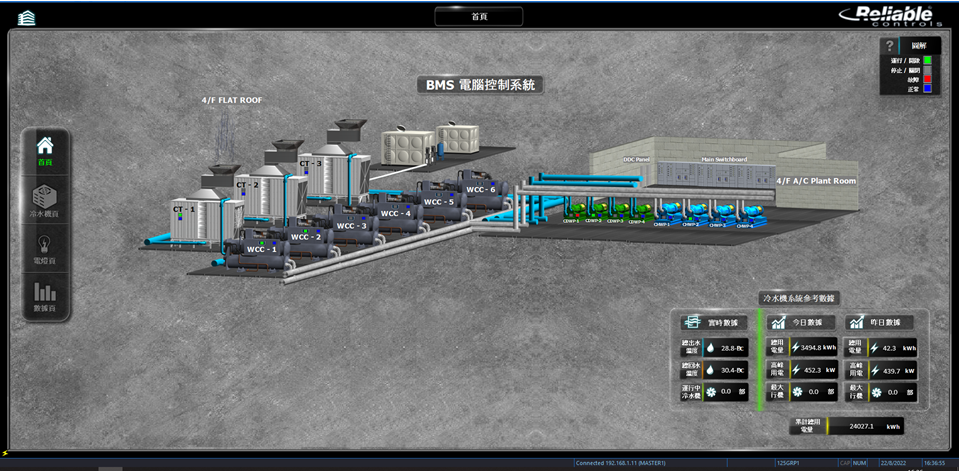
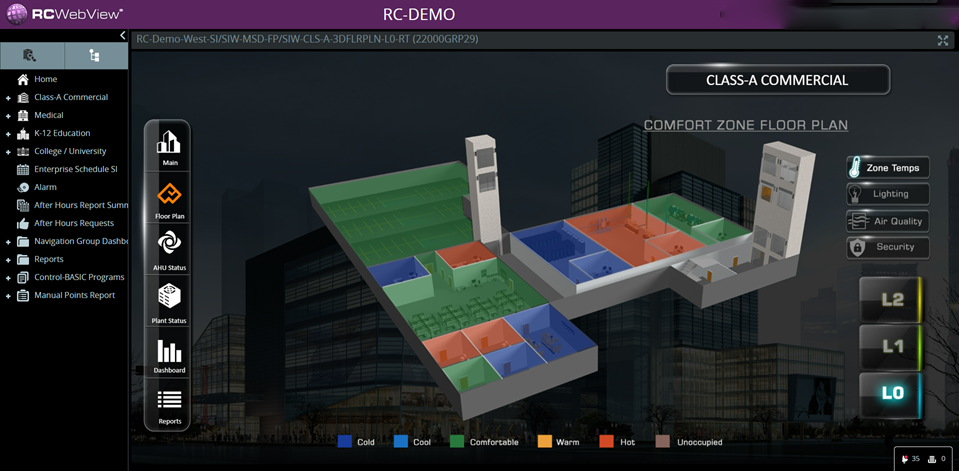
The BMS uses an optimized energy usage program in the building and helps reduce costs associated with energy consumption.
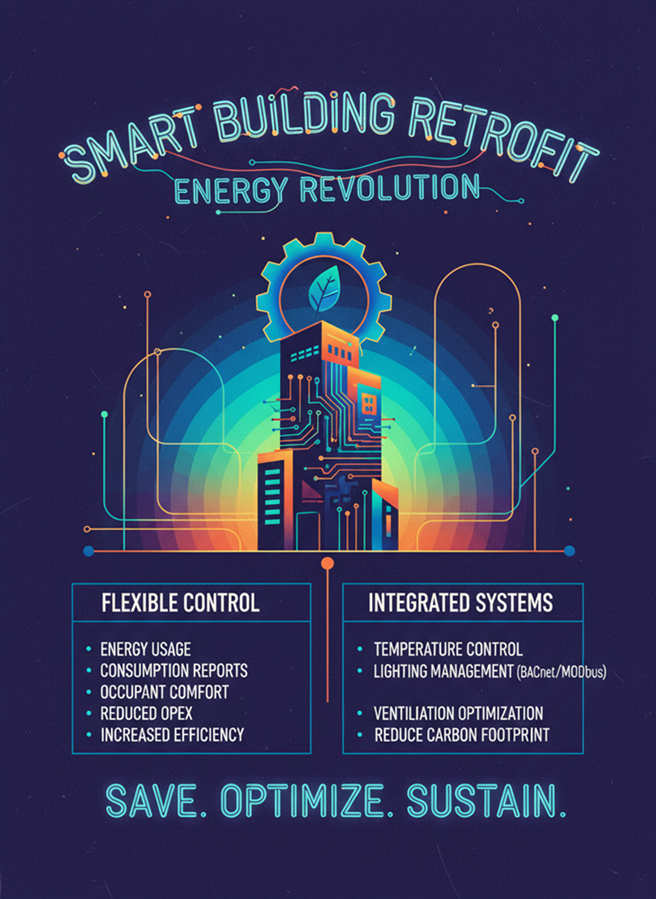
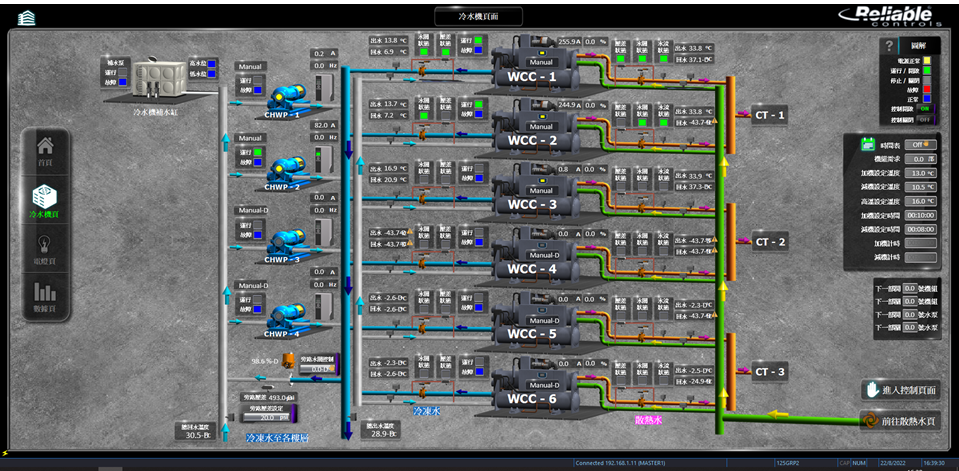
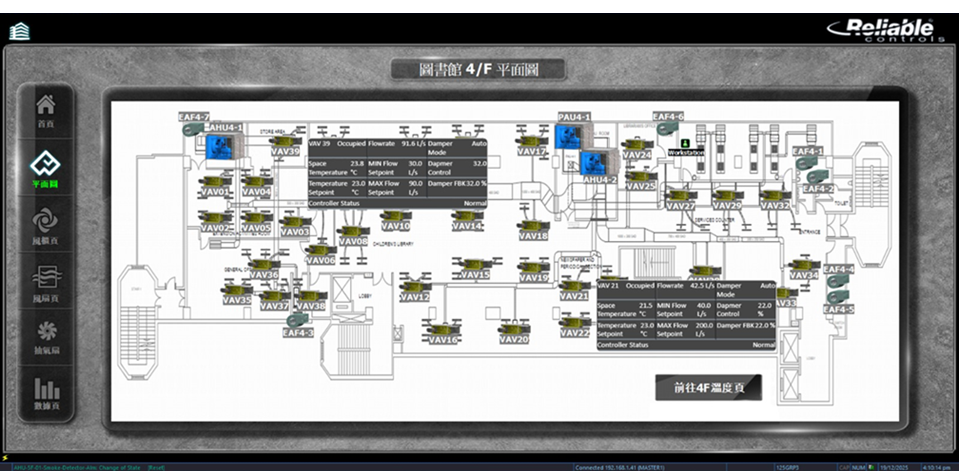
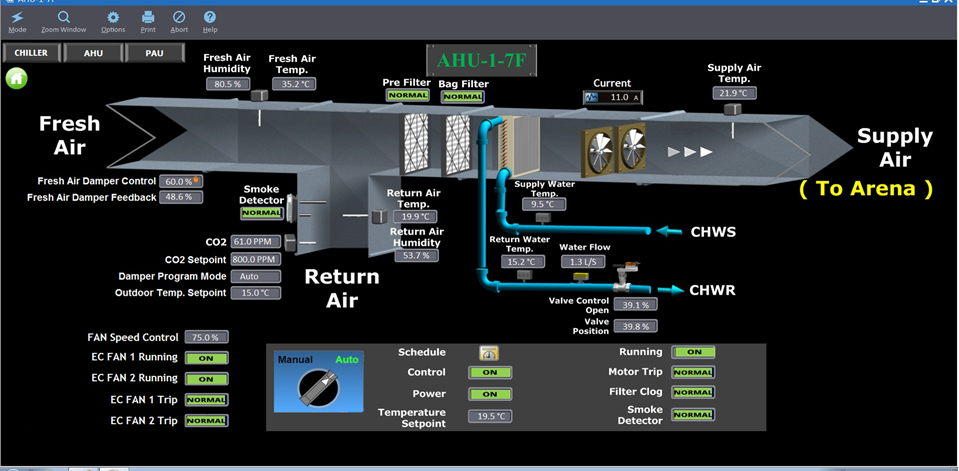
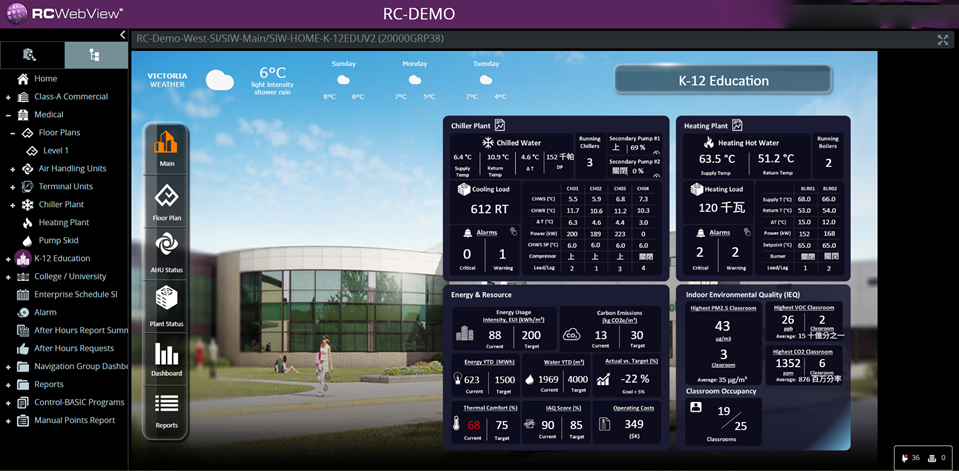
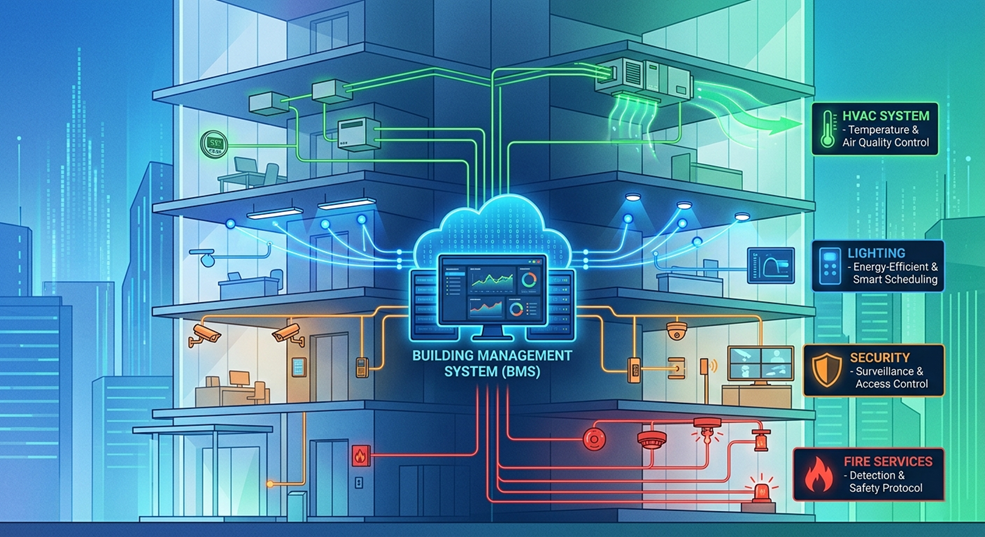
By retrofitting a BMS, building owners can review their energy usage and be more aware of how their building consumes energy through energy reports. In addition to energy savings, a retrofitted BMS can also help improve the comfort of occupants in the building, reduce equipment operating hours, reduce operating costs, and increase energy efficiency. For example, a BMS can be used to control the temperature in the building, making it more comfortable for occupants and reducing energy costs.
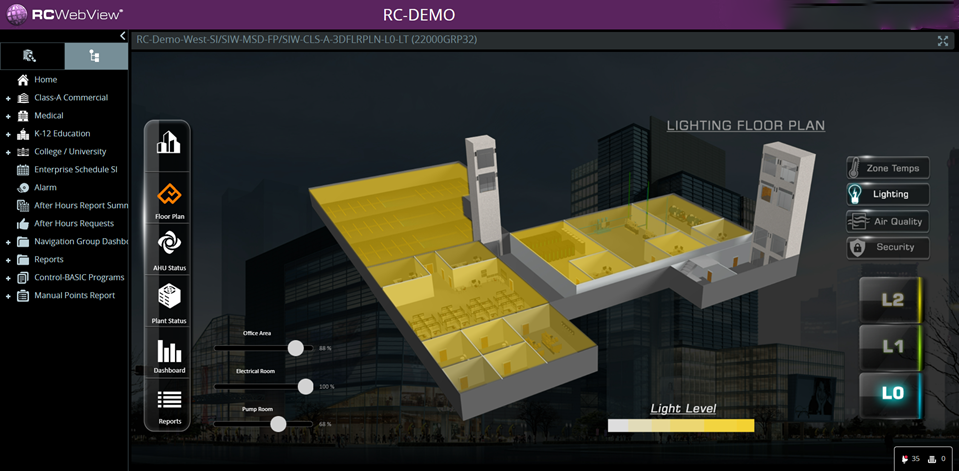
It can also monitor lighting levels in the building and control the amount of light through an integrated BACnet and Modbus-type lighting system. Additionally, the BMS can be used to monitor and control the ventilation of the building, ensuring proper air circulation and temperature control. By utilizing a BMS for energy management, the lighting control system could also monitor the lux level in each area and provide a suitable eye comfort zone in the building. The building owners can reduce their energy bills and help to reduce their overall carbon footprint.
Reliable Controls® uses a decentralized control strategy for large operating systems; since control is distributed, the system does not collapse if one node fails.This redundancy makes decentralized systems more robust against disruptions.
Our company became a Reliable Controls® dealer in 2010.
We welcome those who are interested in Reliable Controls® Project References to contact us by email.